
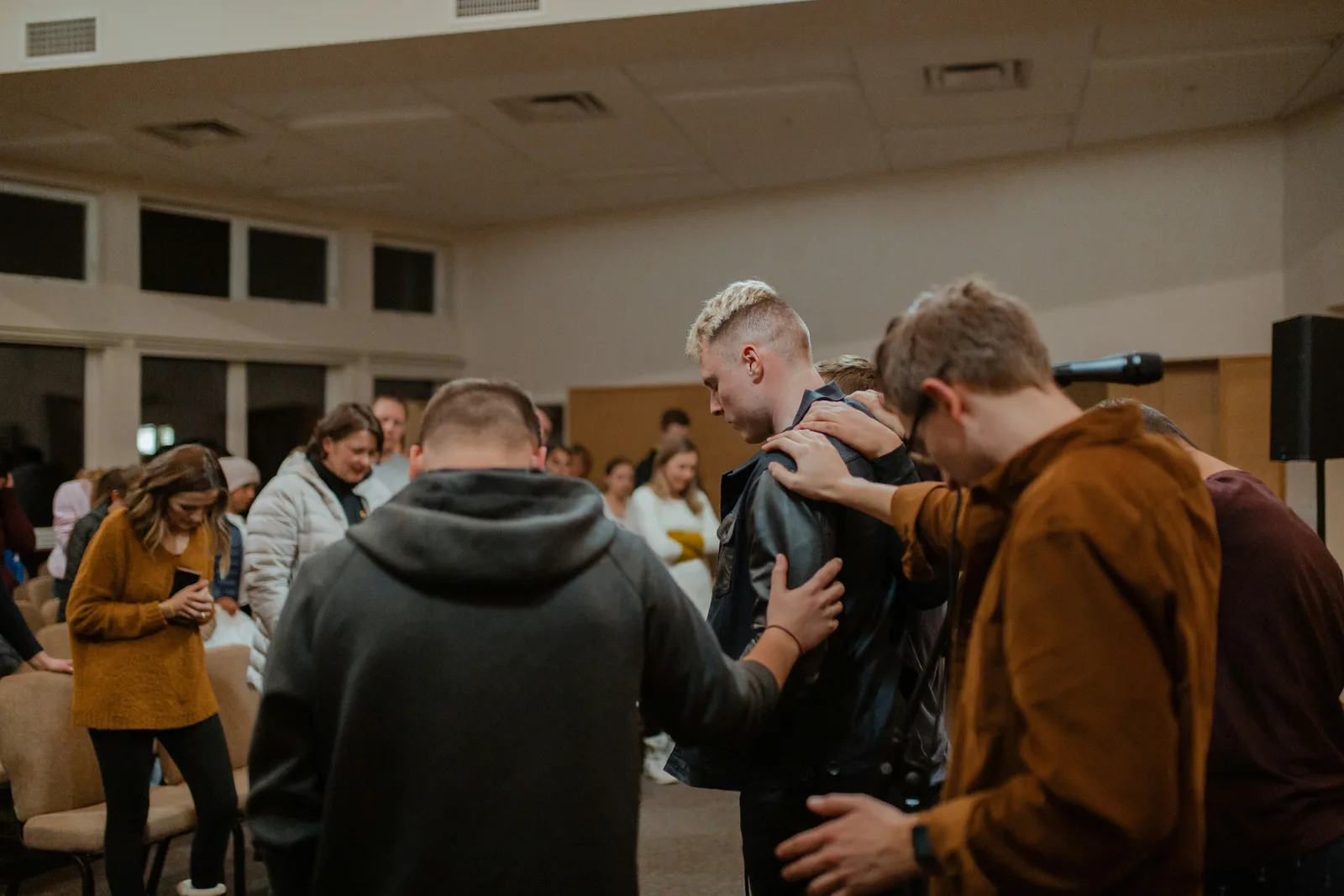
A promising young leader can carry a ministry assignment with energy, humility, and real spiritual gifts, then stall because no one has defined the next step. They may receive meaningful responsibilities, but not a deliberate process for growing in character, biblical conviction, ministry competence, and leadership judgment. An emerging leader development guide gives your organization a way to move from good intentions to a repeatable leadership pipeline.
For churches, camps, mission agencies, and faith-driven organizations, the stakes are not abstract. The people you develop now will shape disciples, lead teams, steward mission, and carry your ministry’s culture into the future. You cannot afford to leave that development to occasional meetings, informal mentoring, or whatever experience happens to arise.
Start With the Leadership Need, Not the Program Format
Many organizations begin by asking whether they need an internship, residency, or gap year program. Those are useful delivery models, but they are not the first question. Start by identifying the leaders your mission requires over the next three to five years.
What roles are difficult to fill from outside your organization? Where are current staff carrying responsibilities without a clear successor? Which ministry environments need leaders who understand both your theological commitments and your operating culture? Answers to these questions reveal the real purpose of the program.
A camp may need seasonal staff who can become year-round discipleship leaders. A church may need future pastors, worship leaders, children’s ministry directors, and small-group leaders formed within its local mission. A mission agency may need young adults who can discern a call, communicate cross-culturally, and lead with resilience. The format should serve that need, not define it.
Clear outcomes also protect your program from becoming a holding place for talented young adults. Emerging leaders need more than access to ministry activity. They need a defined destination and a credible process for getting there.
The Four Outcomes Every Emerging Leader Development Guide Should Define
An effective program develops the whole leader. Academic content alone is insufficient, but ministry experience without guided reflection can produce confidence without maturity. Your design should name the outcomes participants are expected to demonstrate by the end of the experience.
- Biblical formation: Participants should deepen their understanding of Scripture, Christian doctrine, spiritual disciplines, and the theological reasons behind ministry practice.
- Character and discipleship: Leaders need habits of repentance, integrity, relational health, teachability, and faithfulness under pressure.
- Ministry competency: Participants should learn how to lead a group, prepare a lesson, communicate clearly, shepherd people, plan an event, and follow through on assignments.
- Leadership capacity: Emerging leaders should practice decision-making, team leadership, conflict navigation, stewardship, and the ability to multiply others.
These outcomes should be observable. “Grow spiritually” is a worthy desire, but it is too broad to guide a supervisor. Instead, define what growth looks like in your context. Perhaps a participant consistently prepares and leads a Bible study, receives feedback without defensiveness, manages a ministry project from planning through follow-up, or mentors a younger student with appropriate oversight.
The goal is not to reduce formation to a scorecard. The goal is to give mentors, participants, and organizational leaders a shared language for growth.
Build a Scope and Sequence That Matches Real Ministry
Formation becomes credible when the curriculum and the ministry calendar reinforce each other. If participants are studying team leadership while leading a service project, or learning biblical hospitality before a retreat weekend, the content lands with greater weight. They can practice, reflect, receive coaching, and try again.
A strong scope and sequence usually combines classroom learning, cohort discussion, one-to-one mentoring, spiritual practices, and supervised ministry deployment. Each component has a distinct role. Teaching gives participants theological and practical framework. Cohort discussion helps them process ideas with peers. Mentoring brings personal application and accountability. Ministry assignments reveal how they lead when the work is real.
Do not assume every organization needs the same course load or program length. A nine-month church residency may allow for concentrated theological formation and sustained ministry ownership. A summer camp internship needs shorter learning cycles connected to the intensity of the season. A Christian gap year can create space for a fuller academic and discipleship experience, including a college-credit pathway.
The trade-off is straightforward: more content does not automatically mean more formation. Overloading participants can turn a leadership program into an academic checklist. Too little structure, however, leaves development dependent on individual mentors and unpredictable schedules. Build enough rhythm to make formation reliable, then protect margin for relationships, reflection, and ministry demands.
Give Participants Increasing Responsibility
The most effective development sequence moves from observation to contribution to ownership. Early on, participants watch experienced leaders, learn expectations, and practice small assignments. As they show readiness, they take responsibility for defined portions of ministry. By the final stage, they should lead meaningful work with appropriate coaching rather than simply assist someone else.
This progression matters because leadership is learned through responsibility, not proximity alone. A participant who only attends staff meetings may absorb culture, but they will not necessarily learn how to prepare a team, address a problem, or make a wise decision when plans change.
Supervision should increase learning, not eliminate challenge. Give emerging leaders assignments substantial enough to stretch them, then establish clear decision rights. Tell them what they own, where they need approval, and when they should ask for help.
Design the Church Residency as a Leadership Pathway
A church residency program is more than a first job in ministry. At its best, it is a leadership pathway that connects theological formation, ministry practice, coaching, and vocational discernment. Residents serve the local church while being intentionally prepared for long-term ministry leadership.
That requires a defined residency architecture. Residents need a role description, a learning plan, a supervisor cadence, and measurable outcomes beyond task completion. They should know how their weekly responsibilities connect to the competencies they are developing.
For example, a resident assigned to student ministry might lead a volunteer team, prepare teaching, participate in pastoral care conversations, and complete guided study in theology and discipleship. The supervisor then evaluates both execution and development. Did the resident communicate clearly? Did they build trust with volunteers? Did they respond to correction? Did they demonstrate sound biblical judgment?
This structure also helps churches avoid a common mistake: using residents primarily to fill staffing gaps. Residents can provide meaningful capacity, but their formation must remain central. If urgent ministry needs consistently consume training time, the program may produce exhausted workers instead of durable leaders.
Establish Systems That Make Development Repeatable
A leadership program becomes sustainable when it is not dependent on one unusually gifted staff member. That means documenting the operational systems around it: recruiting, selection, onboarding, training calendars, mentor expectations, participant reviews, housing or compensation policies where applicable, and offboarding.
Recruiting deserves particular attention. The best candidates are not always those with the most polished ministry resume. Look for teachability, spiritual maturity appropriate to their stage, willingness to serve, relational awareness, and alignment with your mission. A structured interview process and clear selection criteria will help your team evaluate these qualities consistently.
Onboarding sets the tone for the entire experience. Participants should understand the organization’s beliefs, mission, culture, expectations, reporting structure, and rhythms of life. Ambiguity at the beginning becomes frustration later, especially when young leaders are balancing ministry assignments, coursework, work hours, and community commitments.
Regular reviews provide the correction point many programs miss. Midpoint and end-of-term conversations should assess progress against the outcomes you defined, not merely ask whether the participant enjoyed the experience. Include the participant’s self-assessment, supervisor feedback, and a concrete next-step plan. Some leaders will be ready for greater responsibility. Others may need targeted support or a different ministry environment.
Add Academic Value Without Losing Ministry Focus
College credit or degree pathways can make a ministry-based program more accessible and more credible for participants and families. For many emerging leaders, the choice is not simply between ministry training and higher education. They need a path that honors both.
Integrated academic learning can connect theology, leadership, discipleship, and ministry experience to recognized educational outcomes. In the right structure, a Christian gap year program can provide up to 30 credits while maintaining a meaningful local ministry context. This can reduce the false choice between pausing education and pursuing practical ministry formation.
Academic alignment must be designed carefully. Credit should reflect real learning outcomes, appropriate instructional quality, assessment, and documented student work. It should not be treated as a marketing add-on. When the educational framework is sound, it strengthens the participant experience and gives your organization another compelling tool for recruiting future leaders.
Move From Vision to Launch
The strongest leadership pipelines are built before the urgent vacancy arrives. Begin with a practical design conversation: identify your future leadership needs, clarify formation outcomes, choose the program model, and map the people, calendar, and systems required to launch well.
Eleven:6 helps ministries build and strengthen Christian gap year programs, church residencies, and ministry internships that preserve local mission DNA while providing the structure needed to form and deploy leaders. The next generation is already looking for meaningful formation. Build the pathway that gives them a place to grow, serve, and lead.